
83Redux: Part Two – Fujitsu 29LV400TC (U15)
David Ray
The datasheet of this flash module lists that Pin 16 should not be connected (N.C.), but the board being examined has a connection on this pin.
Sales@CyberCityCircuits.com

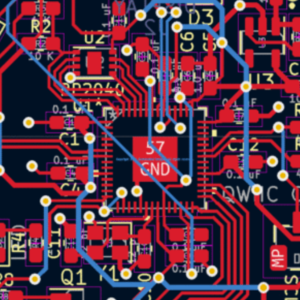
The datasheet of this flash module lists that Pin 16 should not be connected (N.C.), but the board being examined has a connection on this pin.

According to Texas Instruments, this calculator was designed to use a Zilog Z80 MCU operating at 6 MHz, but upon inspection, I find that the device was actually using a custom ASIC marked ‘INVENTEC 6SI837 0A JAPAN 0209EAI’.

Retro-Electro is a long-form article series for Digikey’s magazine ‘We Get Technical.’ Each of these will have stories you’ve never heard before. Builder of Tomorrow: Reginald Fessenden’s Legacy in Radio and Beyond At the dawn of the twentieth century, amid a whirlwind of invention and rivalry, Reginald Fessenden emerged as a visionary who dared to…

Last weekend, I delved deeper into my restoration project of the Allen B Du Mont 224-A Oscilloscope, with the goal of finally getting it open, checking it for safety, and powering it on. The journey was filled with challenges, but ultimately, it was a successful one.

Have you ever struggled to find the right cable for your game console? What if you could solve this problem permanently?

Recently, I had the opportunity to acquire a Du Mont 224-A Oscilloscope and I decided to take on the project of restoring it to its former glory. This blog series will document my journey of restoring this vintage instrument and will provide a glimpse into the history of electronic measurement.